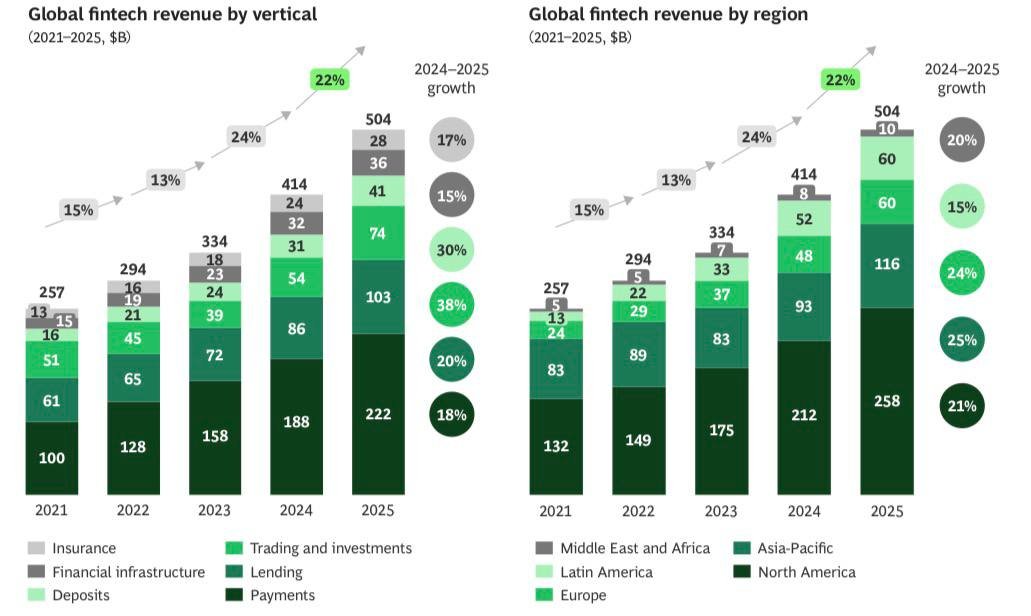
I read BCG’s fintech report for 2025. The report highlighted how global fintech revenues surpassed half a trillion dollars in 2025, growing 22% year over year.
Among the sectors that broke out and contributed a larger % of these profits are payments, and the one trailing behind is lending, which consists of unsecured lending, overdrafts, secured lending, BNPL, among others.
Unsecured lending has been worded in different ways, offered in different forms, but when you consider the scope at which they give customers loans, it’s practically the same thing.
Here’s some of the unsecured lending products neobanks offer their customers:
Overdrafts
An overdraft lets you spend more money than you currently have in your account, up to a predetermined limit.
It’s mostly given out based on your transactions with the neobank, so the more you transact, the more likely you are to get an overdraft.
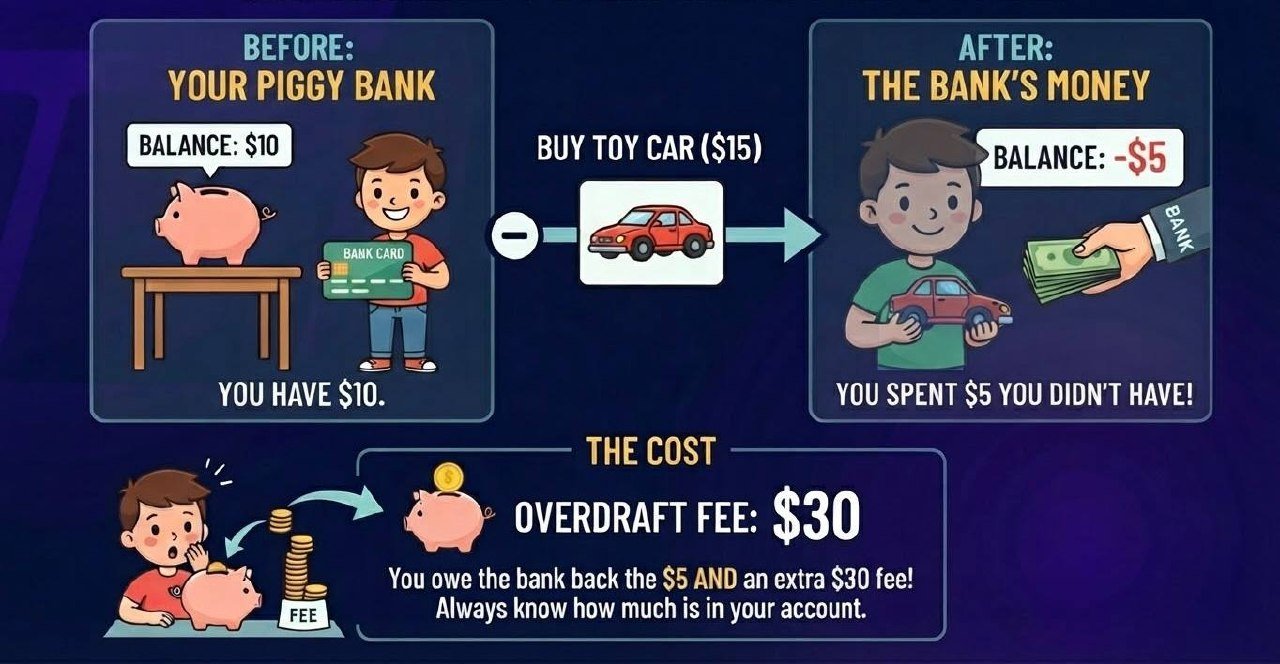
In most cases, neobanks tend to also use another measure, like credit score, together with your history to offer you one. Other records include regular income, salary deposits, account balance, cash flow, and previous overdraft behavior.
BNPL
Credit is offered at checkout for a specific purchase. The underwriting is often lighter and faster because the loan is tied to a specific purchase.
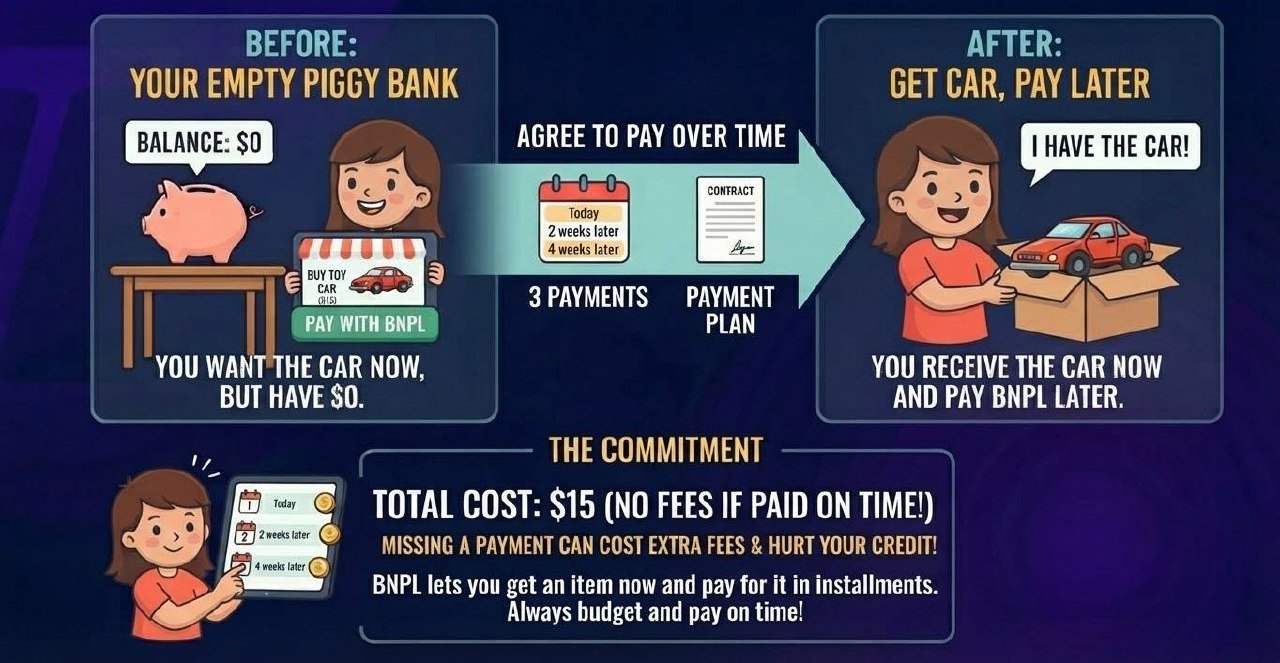
A good example is Klarna.
When you’re buying a $400 phone, instead of paying the whole amount at once, you can pay it in fees installmentally:
$100 today
$100 next month
$100 the month after
$100 the month after
The BNPL provider pays the merchant at checkout and collects the money from you over time.
Cash advances
Some US neobanks like Chime do this for users who have their salary going into the account.
So instead of waiting for your salary to land, you can just go to Chime and basically say:
“Give me part of my expected future income right now.”
That way, you don’t need to wait every time you’re getting paid to spend money on emergencies.
These are just a few examples of how unsecured loans come in different forms, and multiple leading companies offering them are making it very big.
One of the companies is SoFi.
Personal-loan interest income reached $2.43B in 2025, up from $2.08B in 2024 and $1.60B in 2023. That’s roughly 52% growth in two years.
According to Reuters, this year alone, SoFi’s second-quarter 2026 total loan originations hit a record $14.8 billion, with members hitting an all-time high of 15.8M.
They aren’t just growing in revenue but also in the number of new users.
What they’re doing is attracting people from outside, not only their existing customers.
I can provide another example of a company that made a lot of profit: Nubank.
Nubank’s total credit-card + personal-loan portfolio grew from $20B to nearly $40B in Q2 2026, amounting to over a 100% increase in just two years.
This year, in Q2 alone, they generated $871M in net income, pushing the profit further to $1.06B in the first quarter, above a billion.
This growth is happening across almost every neobank offering unsecured credit, like Revolut, Chime, among others. I just don’t want to bore you with listing them all.
In fact, BCG reports say:
“Unsecured lending is one of the largest global white spaces for neobanks.”
But you might pause for a second and ask:
“What makes unsecured lending work so well?”
It builds customer relationships:
Customers who borrow money from an app tend to open it more often, and it gets even stronger when they start using it for most of their transactions to build a credit profile for future loans.
It turns one-time users into highly engaged customers.
Just being where a customer saves, spends, and earns doesn’t really build much of a relationship, as you can easily be tempted by another app offering more favorable cashback or bonuses.
This is something that’s currently affecting crypto neobanks.
It’s literally a losing game because you’ll do a lot of marketing and cashback to acquire users, only to find out that they leave immediately when someone offers more than you do.
It’s very different when these people are getting credit from you.
Staying with you isn’t just an option anymore. It becomes a choice they make if they want you to unlock more credit in the future.
Users get access to no-collateral loans with speed and convenience, plus the ability to build credit with a far better experience than most traditional financial alternatives, while the platform generates revenue through interest payments.
It creates a win-win situation for both sides.
It’s a very high-margin business:
Banks are literally making 1% or less on transactions per user to make it as cheap as possible.
Even in the case of crypto neobanks, some have found ways to subsidize these fees to nearly zero to attract as many users as possible.
While this is actually positive for users, it’s a net negative for the projects, as the more money they burn to acquire users, the less they have left to spend.
In the case of credit, it’s one of the highest-margin businesses for neobanks.
As you can see from the projects we’ve highlighted, Nubank is charging as high as 20% on some lending products, while behemoths like Revolut are earning an average of 13% on personal loans.
Unlike the card business, where you’d need to constantly spend money on marketing and cashback to eventually earn interchange fees that are often less than 1%, the only thing you need with credit is to keep improving your underwriting and have customers pay you back.
You’ll keep getting in more money than you spent out as a project.
But one of the reasons why projects don’t want to offer credit is that they would have to start building the underwriting infrastructure from the ground up, so they could use that time on other, more productive stuff.
That’s where @cr3dentials comes in. We handle everything for you in the background — the data, recourse, repayment, and even enforcement.
On data, we plug in the data of the people who make up one of the largest % of neobank audiences today: gig workers who work across the internet.
We verify their earnings to determine their eligibility for credit instead of just offering credit to anyone.
We keep integrating as many websites as possible. Right now we have Bolt, Deel, OnlyFans, etc., and we’re working to integrate everywhere someone is earning, from social networks like YouTube and X to traders trading on Binance, Coinbase, and others.
Everybody who earns should have the same privilege as those earning a salary.
On recourse, we build our system in a way that’s beneficial to both lenders and borrowers.
Borrowers have access to loans, but in rare cases where borrowers don’t want to pay back, recourse allows lenders to go beyond the original collateral, if there is any, and pursue the borrower’s other assets or income to recover the unpaid debt.
With every loan, you don’t have to worry about whether they’ll pay back or not. Our system does its thing.
On repayment, our system records both repayment and payment data, which helps neobanks that provide this credit build a better picture of who the borrower really is and whether they should keep giving them loans.
Projects don’t just judge people based on their earnings alone.
It becomes a combination of data.
How early did they repay the last loan?
Combine that with their current earnings data to make a more informed decision when offering them a loan.
On enforcement, we’re working with different jurisdictions across countries to make sure defaults, when not paid, can show up in the borrower’s financial record.
For instance, we’re working with regulators in Nigeria to make use of BVN, which is like a financial record.
So every time a customer doesn’t pay, they aren’t just owing money and walking away. It can be reflected in their financial footprint in TradFi too.
That way, both lenders and borrowers are protected.
Projects get to give people money when they need it most, while also having systems in place to make sure borrowers pay it back.
Just last week, we crossed our first 1,000 verifications in production, and we’re currently working with Kasi Money, with more projects already in talks to integrate us.
If you’re a crypto neobank/fintech looking to integrate credit today,
Comment below or DM us. We’re ready to chat.